What Is DIEP Flap Reconstruction?

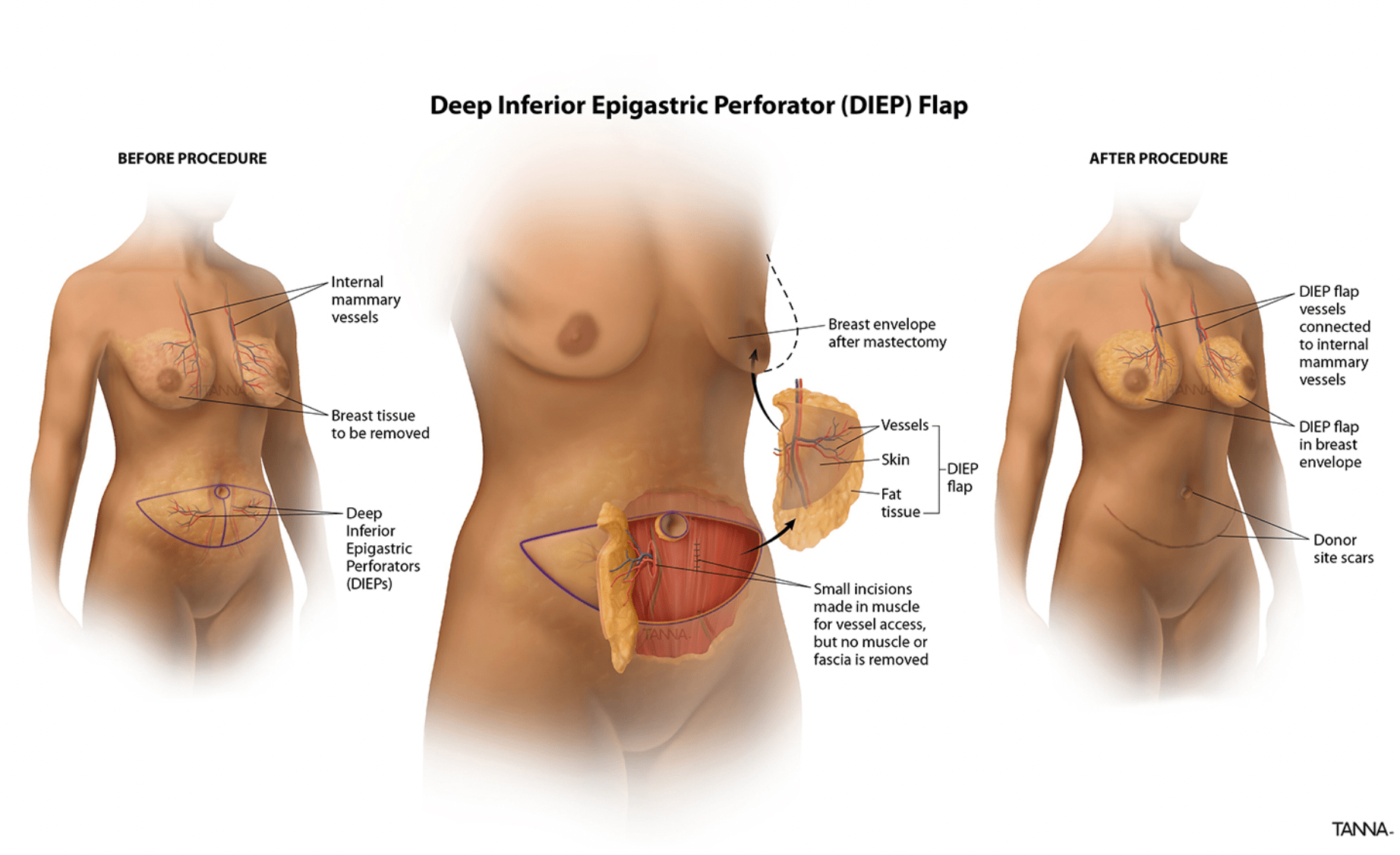
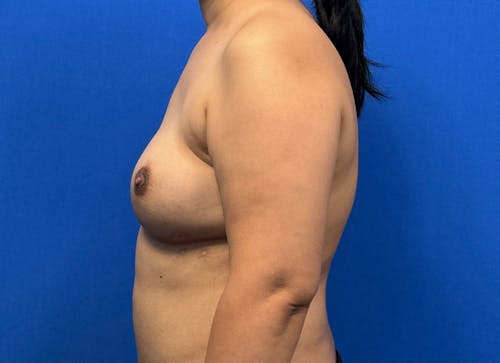
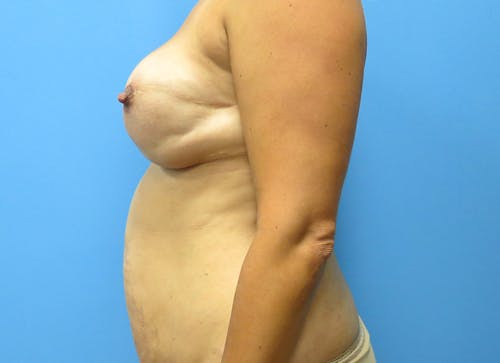
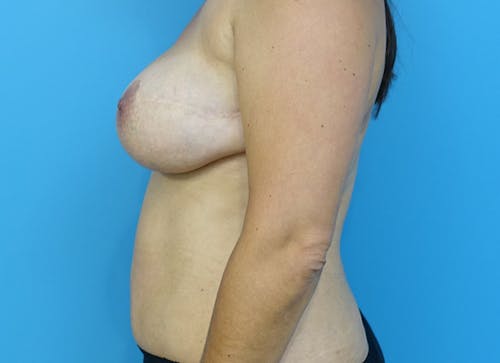
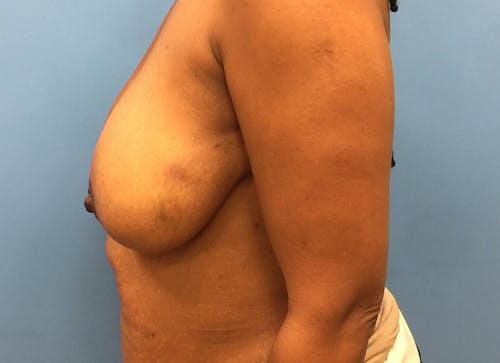
The Deep Inferior Epigastric Perforator Flap (DIEP) breast reconstruction is the most common method of "natural " breast reconstruction using your own tissue. The DIEP flap comes from the skin and fat of the lower abdomen (below the navel). It is harvested in an oval or elliptical shape extending across the entire lower abdomen, from one hip to the other. The scar is low on the abdomen, similar to an abdominoplasty (tummy tuck). The blood supply to this tissue (flap) comes primarily from small blood vessel branches (called perforators). In the DIEP flap, only the skin and fat from the abdomen, along with perforating vessels, will be removed, leaving the abdominal muscles in place. Since the New York DIEP flap procedure does not take actual abdominal muscle, abdominal muscle strength can be preserved.

Infographic of a DIEP Flap

How Is The Procedure Performed?

The breast surgeon will perform the mastectomy at the breast site, while Dr. Tanna will simultaneously begin harvesting the tissue from your abdomen for the DIEP flap. During this meticulous dissection, the flap (lower abdominal skin and fat) is isolated on only its feeding blood vessels (perforators). The harvesting of the flap is performed with high power magnification glasses, called loupes.

After the mastectomy is completed, Dr. Tanna will identify the chest blood vessels (internal mammary artery and vein) to connect with the blood vessels of the DIEP flap. This connection of the chest vessels (internal mammary vessels) to the donor abdomen vessels (DIEP flap vessels) is what restores blood flow to the DIEP flap, so the tissue can be supplied with nutrients to stay healthy in the new location. These blood vessels are small and delicate, with their size ranging from 1.0 to 3.0 millimeters in diameter.

With the chest vessels identified and the flap of tissue ready to place to restore the breast, the DIEP flap with its specifically chosen blood vessels is now transferred to the chest. Under the operating microscope the flap blood vessels are connected to the recipient blood vessels in the chest. This microsurgery is what provides nourishment to your natural tissue so it can flourish. Following the connection (anastomosis), the flap is then shaped to form a soft, natural breast.

What Are The Benefits of DIEP Flap Reconstruction?

There are many advantages to using your own tissue (flap) to reconstruct the breast. Here are some of the many benefits of the DIEP flap breast reconstruction:

  • Appearance and feel of a soft, natural breast
  • Spares the abdominal muscles, resulting a very rare rate of abdominal hernia
  • Hidden donor site scar (similar to an abdominoplasty or a tummy tuck scar)
  • Can be done at the same time as the mastectomy
  • As the breast reconstruction is done with tummy fat, the breast reconstruction responds to weight gain and loss like natural breast tissue
  • Long-lasting result
Banner media
Blonde Woman Smiling *Real Patient

Who Is A Good Candidate For The DIEP Flap?

Almost any woman with adequate skin and fat of the lower abdomen is a candidate for DIEP flap reconstruction in New York. For a unilateral (single) mastectomy, the entire flap can be used, while a bilateral (double) mastectomy reconstruction requires the harvested flap to be split to restore each side.

Before the surgery, a special CT or MRI scan (angiogram) is performed to evaluate where the best blood vessels feeding the lower abdominal skin and fat exist. Visualization of the specific type of blood vessels helps to make the selection of the "right" perforator (blood supply vessels) during the operation easier. This test confirms that a patient is a good candidate for the surgery. Finally, the imaging also reduces operating time.

DIEP Flap Breast Reconstruction Patient Reviews

I couldn’t ask for a better doctor to guide me on my journey. I had the DIEP FLAP breast reconstruction by Dr. Tanna. I’m so grateful for his excellent care and pleasant staff.

Anonymous

Firstly, as a surgeon, this man is a miracle worker, as he combines supreme surgical expertise with exquisite artistry and excitement in his craft. Dr. Tanna listens.

J. Rod

Dr. Tanna completed Breast/DIEP reconstruction surgery on me and the results were better than I have ever imagined. He is the best!!! His staff were also wonderful and helpful.

Durine

I recently had DIEP FLAP breast reconstruction by Dr. Tanna. It was one of the best decisions I have made in my life! Thank you to Dr. Tanna!

Sharon C.

What Are The Drawbacks?

The DIEP flap can only be performed one time, as the abdominal tissue can only be harvested once in a woman's life. In other words, if a woman chooses to do a single side mastectomy with abdominal flap reconstruction, the abdominal skin, tissue, and fat cannot then be used in the future for breast reconstruction in the event the opposite breast needs a mastectomy. As such, many patients when deciding upon a DIEP or SIEA flap reconstruction, consider whether the mastectomy should be single or both breasts.

DIEP Flap Breast Reconstruction Testimonials

Before & After Photos

View Gallery

Why Is It So Important To Choose A Highly Qualified Surgeon For The DIEP Flap?

DIEP flap breast reconstruction in New York requires more time to complete than implant-based breast reconstruction because of the precision and technical expertise required. In addition, surgery is not only being performed at the breast, but also at the flap donor site (abdomen). Despite operating on the breast and abdomen, no body cavities are accessed during the surgery and the harvesting is confined to the skin and underlying soft tissue, which is more easily tolerated.

The careful managing of the blood vessels increases operating time, but the human body tolerates surgery on the skin and fat very well. Patients recover quickly with usually only a two or three-night hospital stay. The abdominal scar is low on the abdomen, like an abdominoplasty (tummy tuck) scar. DIEP flap procedures should only be done by plastic surgeons who perform microsurgery regularly and have the necessary qualifications and training to perform microsurgery.

Banner media

What Can I Expect After My Surgery?

Following your procedure of the Diep Flap in New York, you will be transported to the recovery room. You will be awake and aware. You will be under close nursing observation.

More About Recovery

White Flower

Diep Flap FAQ

How long does a DIEP flap breast reconstruction last?

Can DIEP flap breast reconstruction be performed years after a mastectomy?

Does DIEP flap reconstruction leave scars?

Can DIEP flap reconstruction be combined with nipple reconstruction?

Is DIEP flap reconstruction covered by insurance?

How long does a DIEP flap breast reconstruction last?

DIEP flap breast reconstruction is designed to provide long-lasting results. Because the procedure uses your own living tissue, the reconstructed breast can age naturally with your body and typically does not require replacement surgery like breast implants may.

Can DIEP flap breast reconstruction be performed years after a mastectomy?

Yes. Many women undergo delayed DIEP flap breast reconstruction months or even years after a mastectomy. This option can restore breast shape and improve symmetry for patients who were not ready for reconstruction immediately after breast cancer treatment.

Does DIEP flap reconstruction leave scars?

DIEP flap reconstruction involves both breast and abdominal incisions. The abdominal scar is typically placed low on the abdomen, similar to a tummy tuck scar, allowing it to be concealed beneath most clothing and swimwear.

Can DIEP flap reconstruction be combined with nipple reconstruction?

Yes. Many patients choose to undergo nipple-areola reconstruction after their DIEP flap procedure. This is usually performed as a separate stage once the reconstructed breast has fully healed.

Is DIEP flap reconstruction covered by insurance?

In many cases, breast reconstruction following mastectomy is covered by health insurance plans under federal law. Coverage often includes the initial reconstruction procedure as well as revision procedures needed to improve symmetry or restore appearance. Patients should verify specific benefits with their insurance provider.

Contact us media
Accessibility: If you are vision-impaired or have some other impairment covered by the Americans with Disabilities Act or a similar law, and you wish to discuss potential accommodations related to using this website, please contact our Accessibility Manager at (516) 531-2111.